AGRICULTURAL DATA & TECHNOLOGY
← Back to AgrowKnow

ABOUT NOAH

Noah Freeman

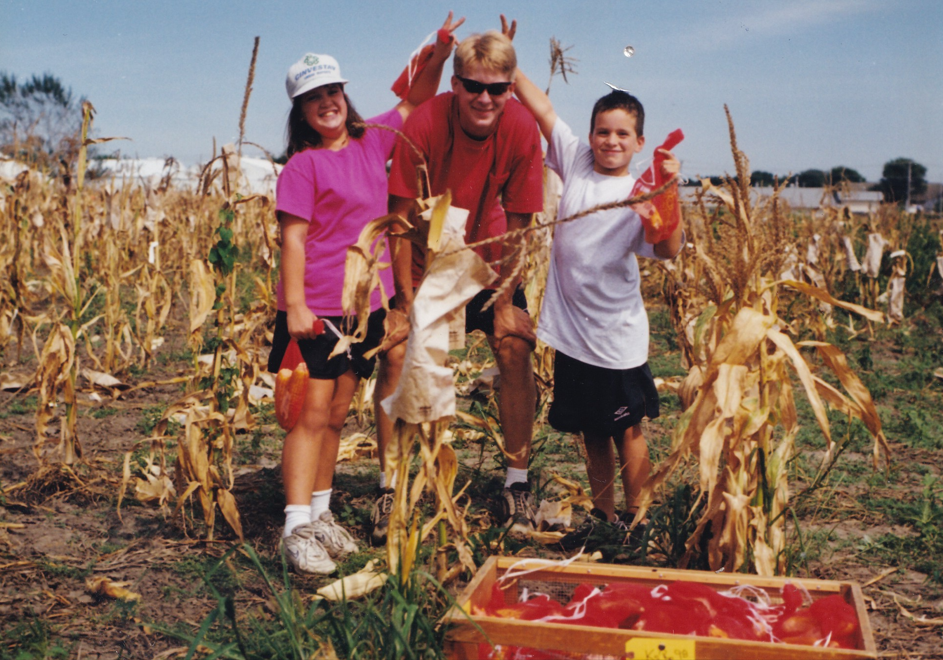
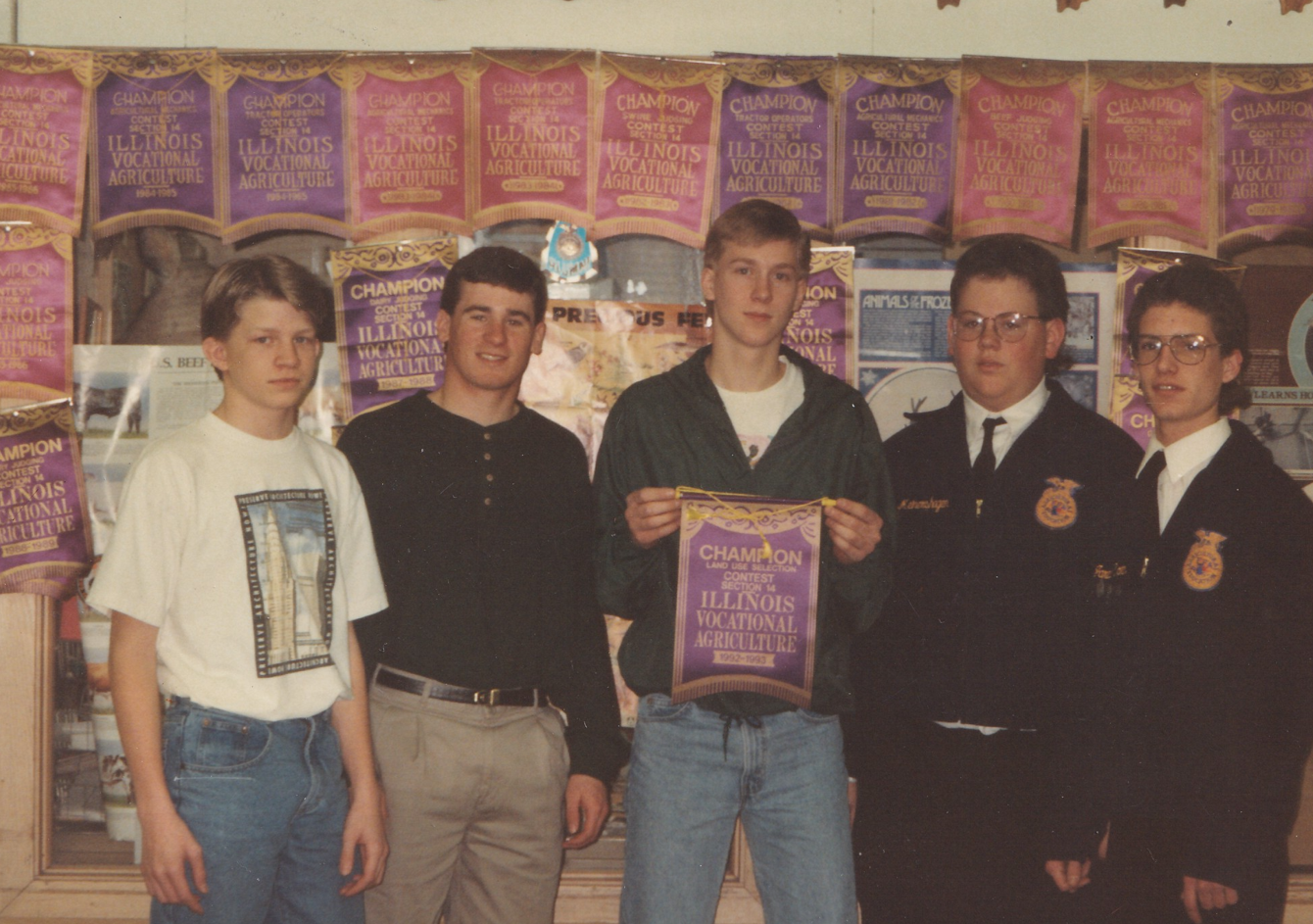
My interest in agriculture started long before I began building apps. Growing up, 4-H projects, FFA contests, and time around the farm gave me an appreciation for the work and the questions behind it. More than 25 years in agriculture have taken me through field research, teaching, agronomy leadership, and software development. I keep coming back to how we can use what we know to make a better decision in the field.

Learning in the field

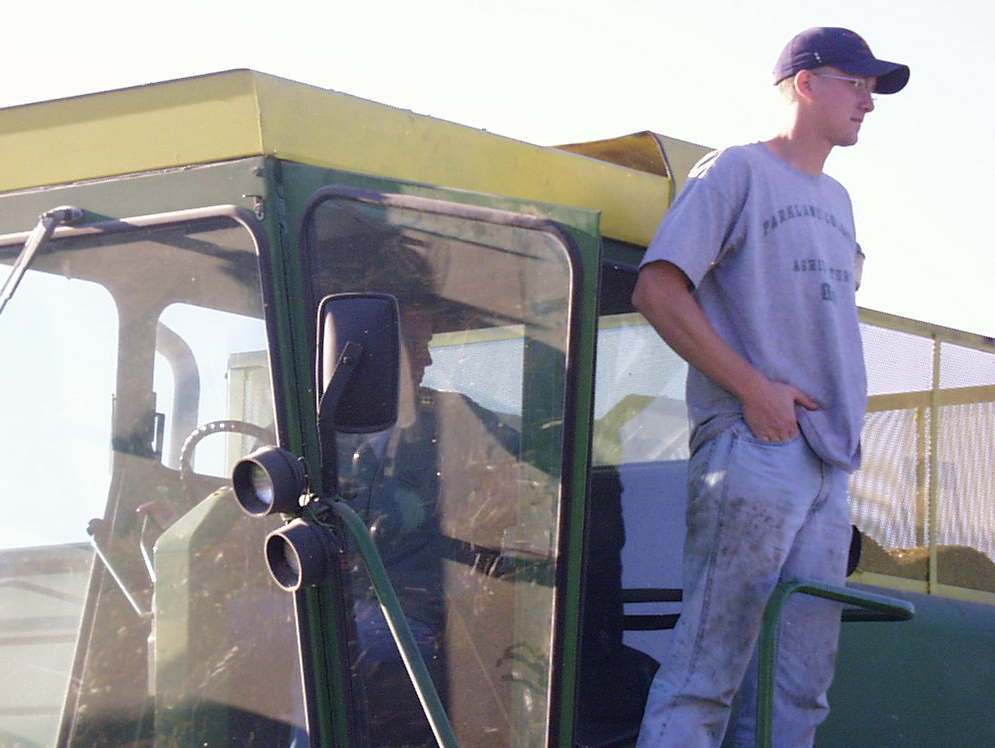
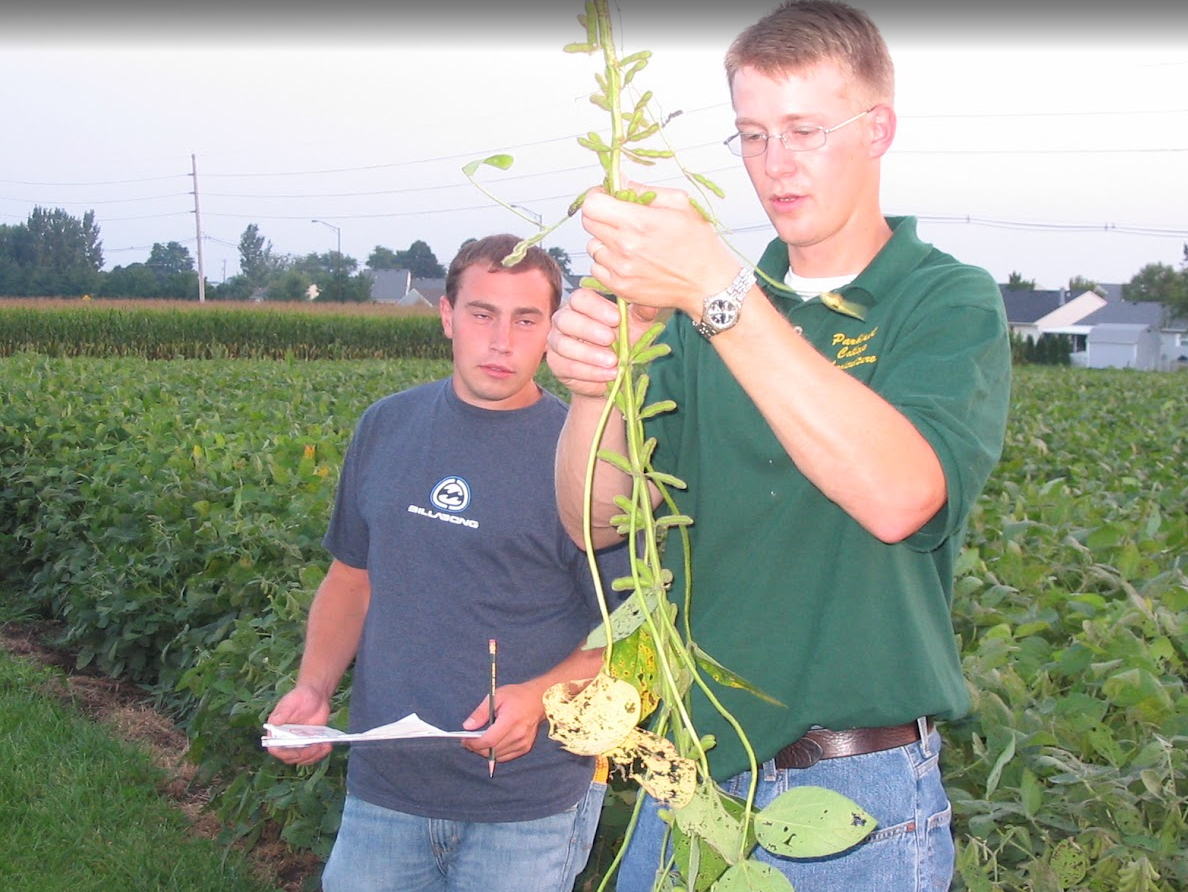
My background includes crop science, plant pathology, plant breeding, soil fertility, and agricultural engineering and mechanization. Early work in research plots, seed production, and crop scouting helped connect those subjects. Statistics gave me a way to compare results and ask whether a difference was meaningful. Working with equipment helped me understand what it takes to carry an idea out in the field.

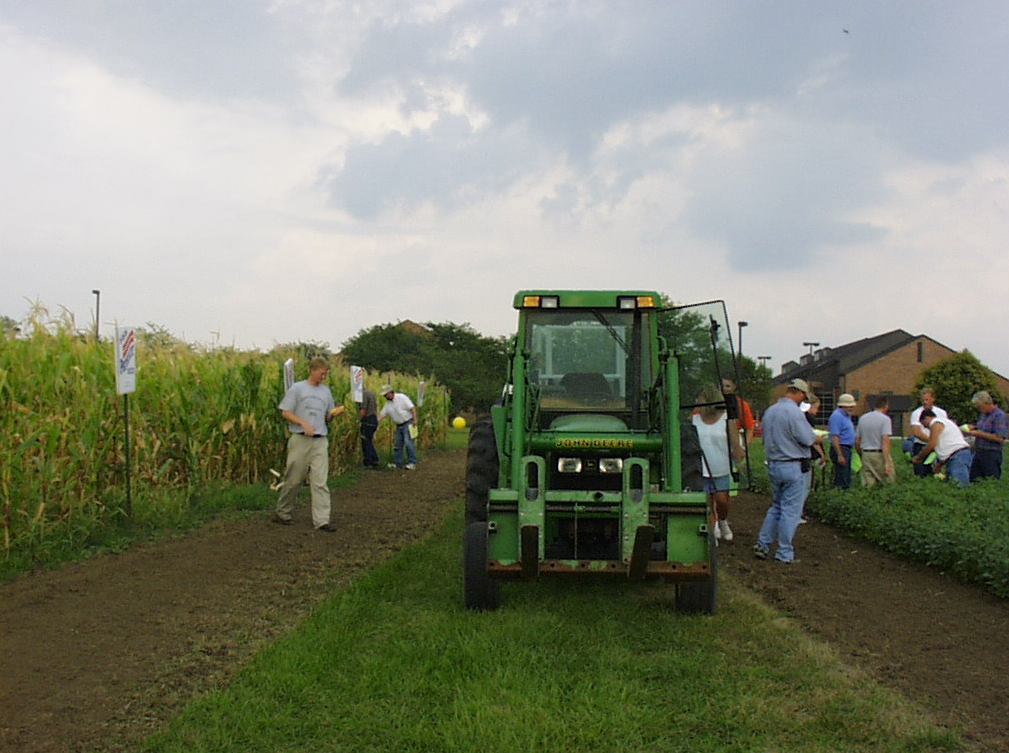
Developing research and demonstration farms brought those lessons together. A plan had to work through planting, weather, equipment, and harvest. That experience still shapes the questions I ask when evaluating data or building a tool.
Understanding plants soils and weather

I am especially interested in how plants, soils, and weather interact. Soil affects the water and nutrients available to a crop. Weather changes that supply and the crop's demand. Management decisions play out within those conditions.

Those relationships change across a field and over time. A hilltop and a low area can respond differently in the same season, and the same part of a field can behave differently in a wet year and a dry one. This spatial and temporal variability is central to how I think about agriculture. An app needs to consider where a decision is being made, when it is being made, and the conditions around it.

Teaching agriculture

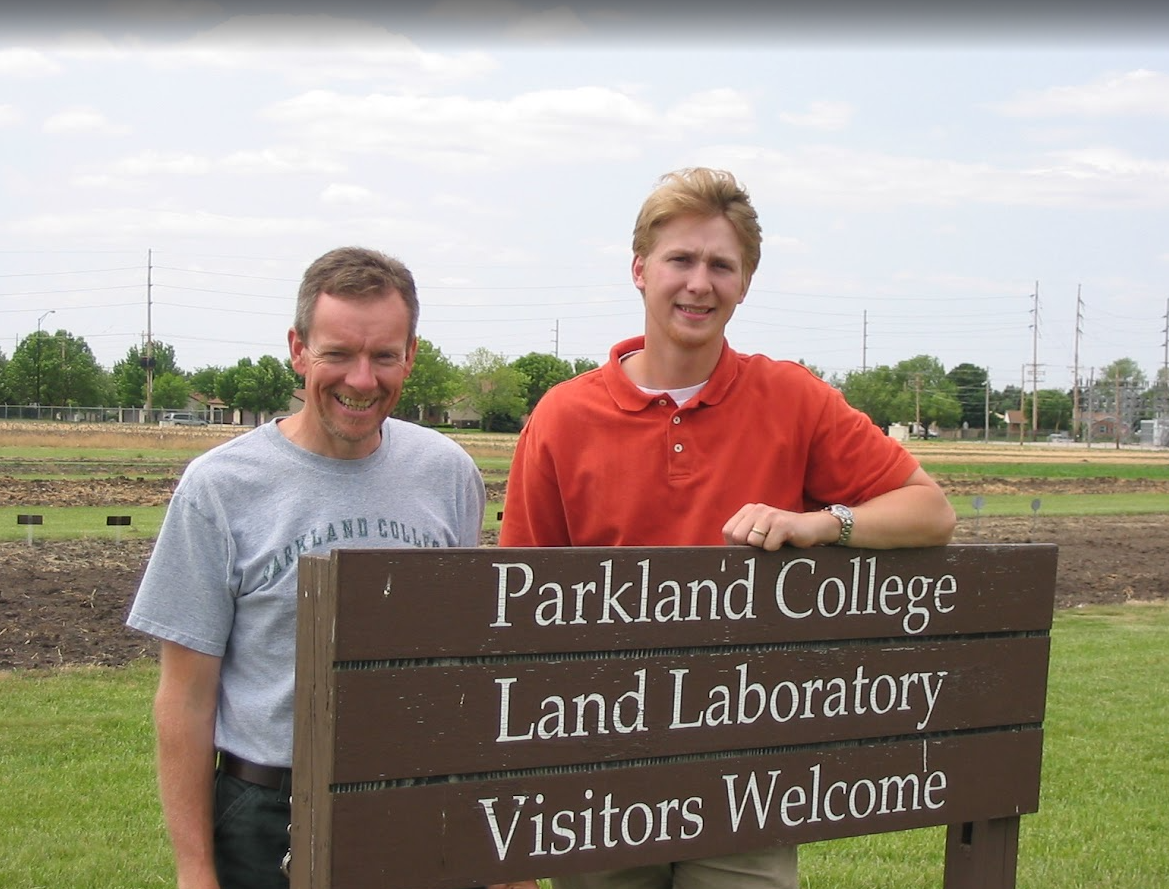
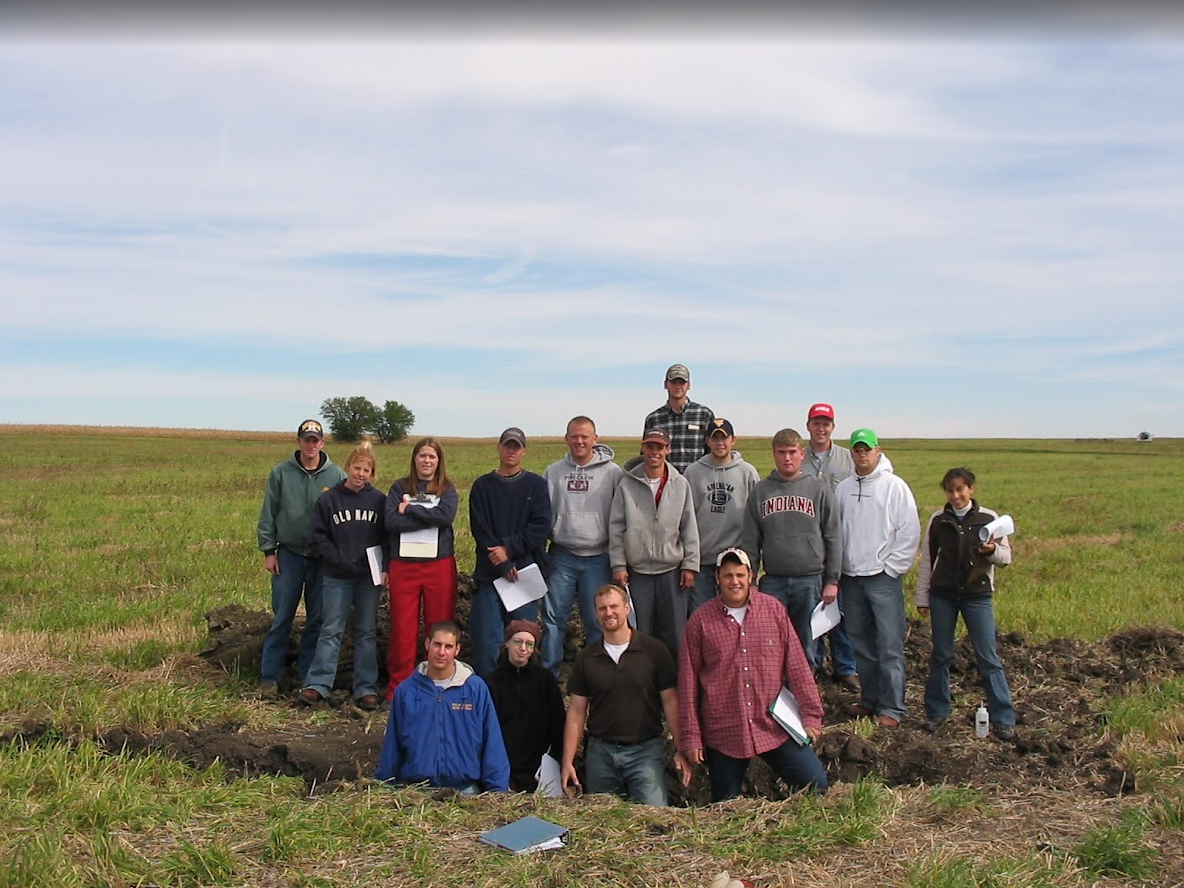
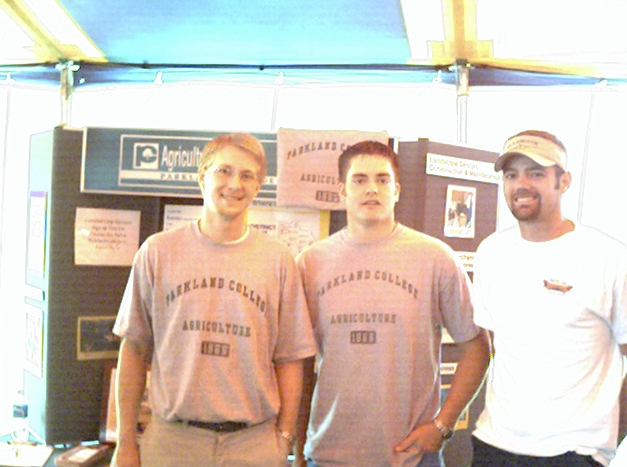
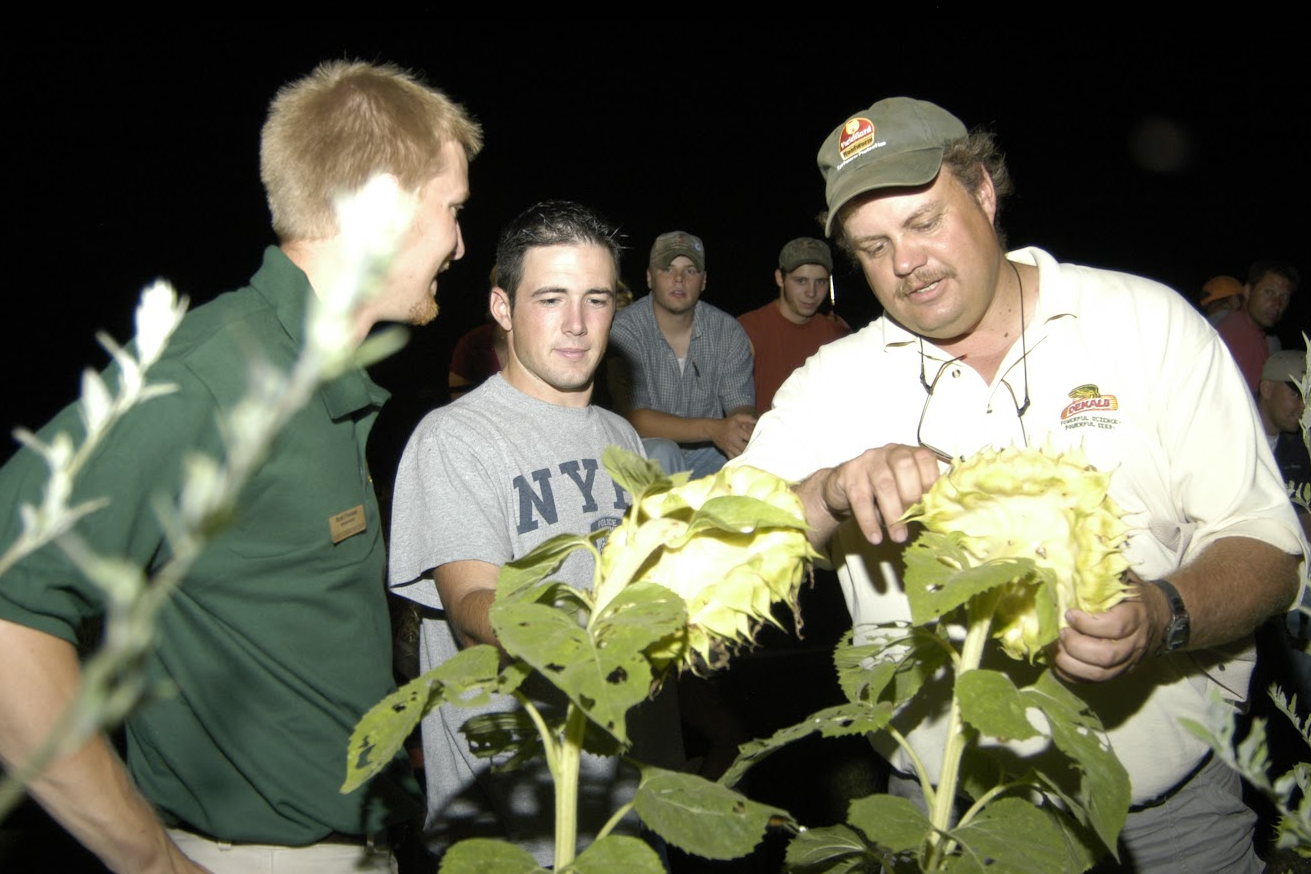
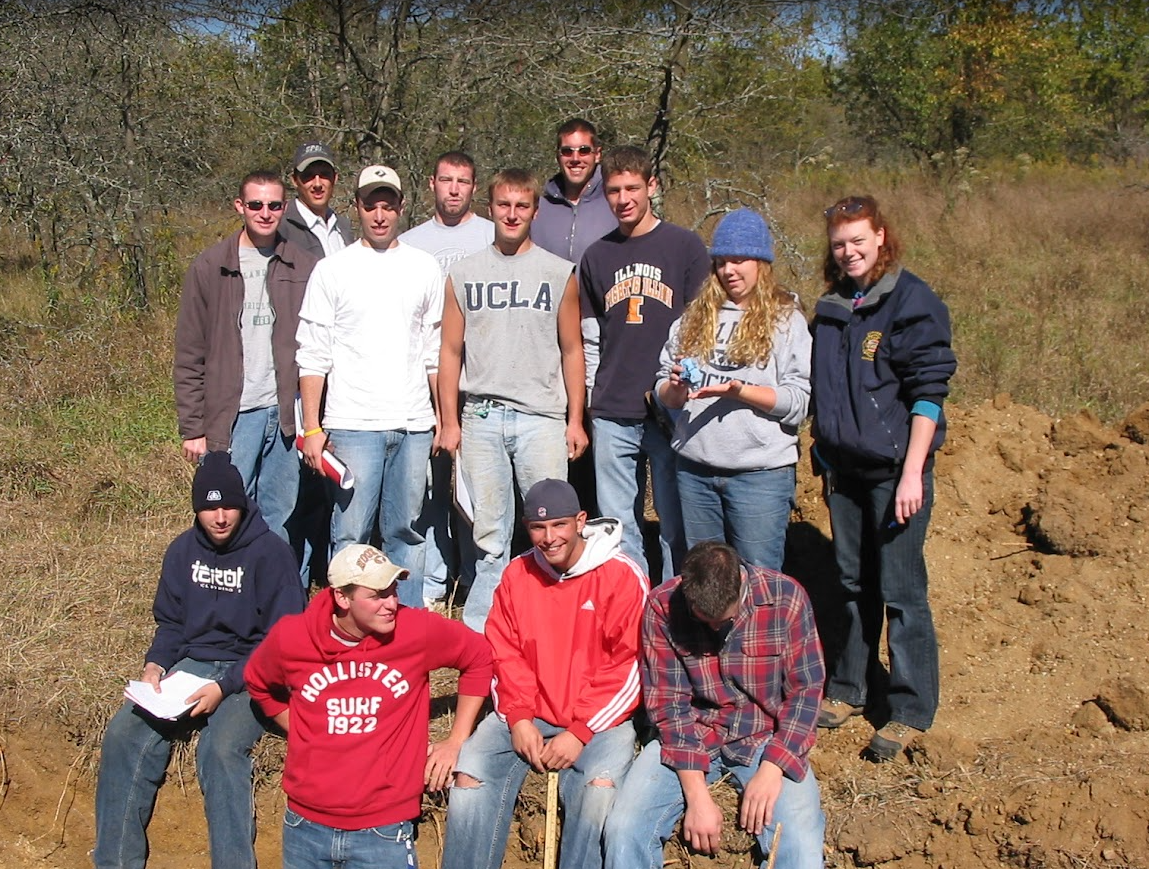
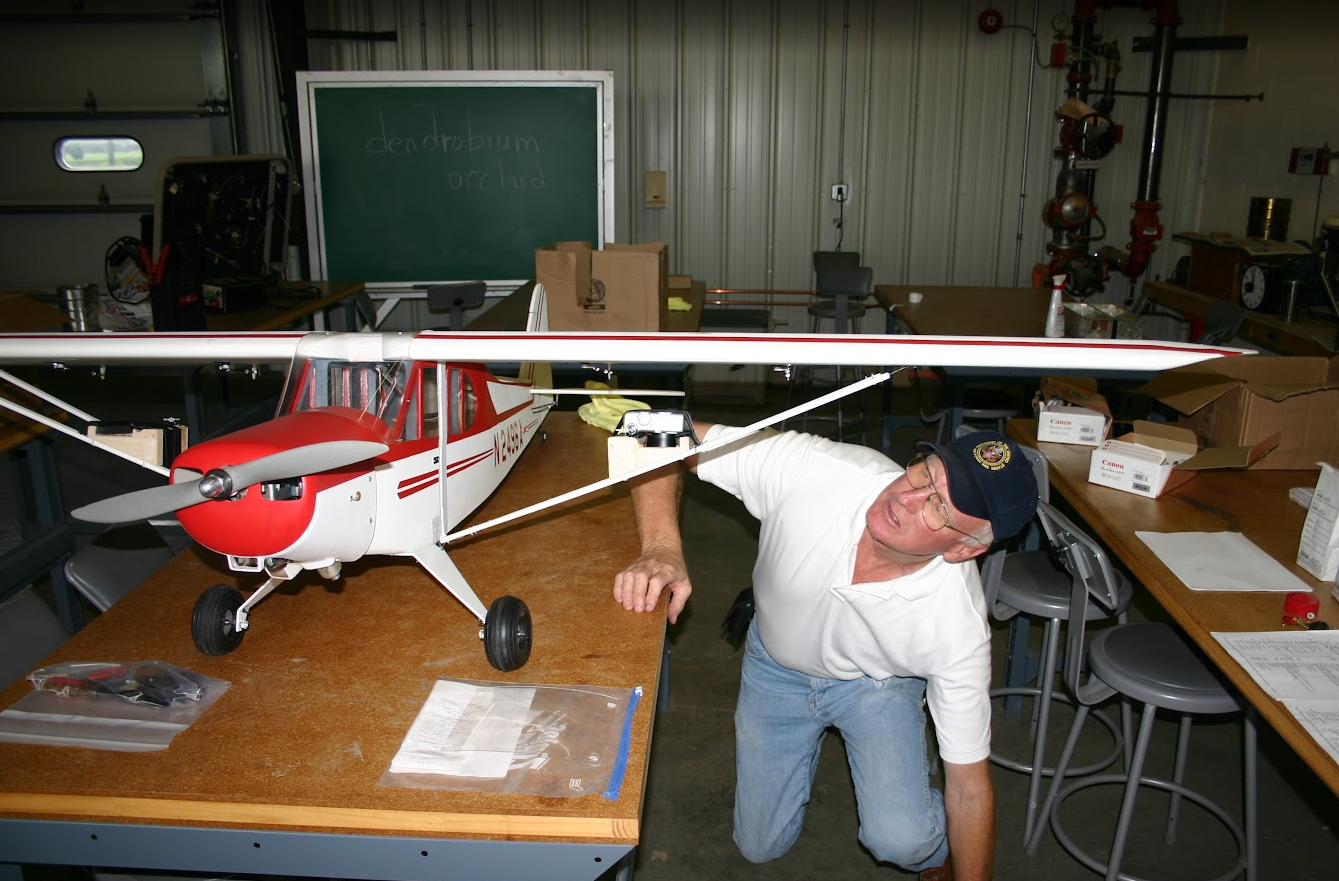
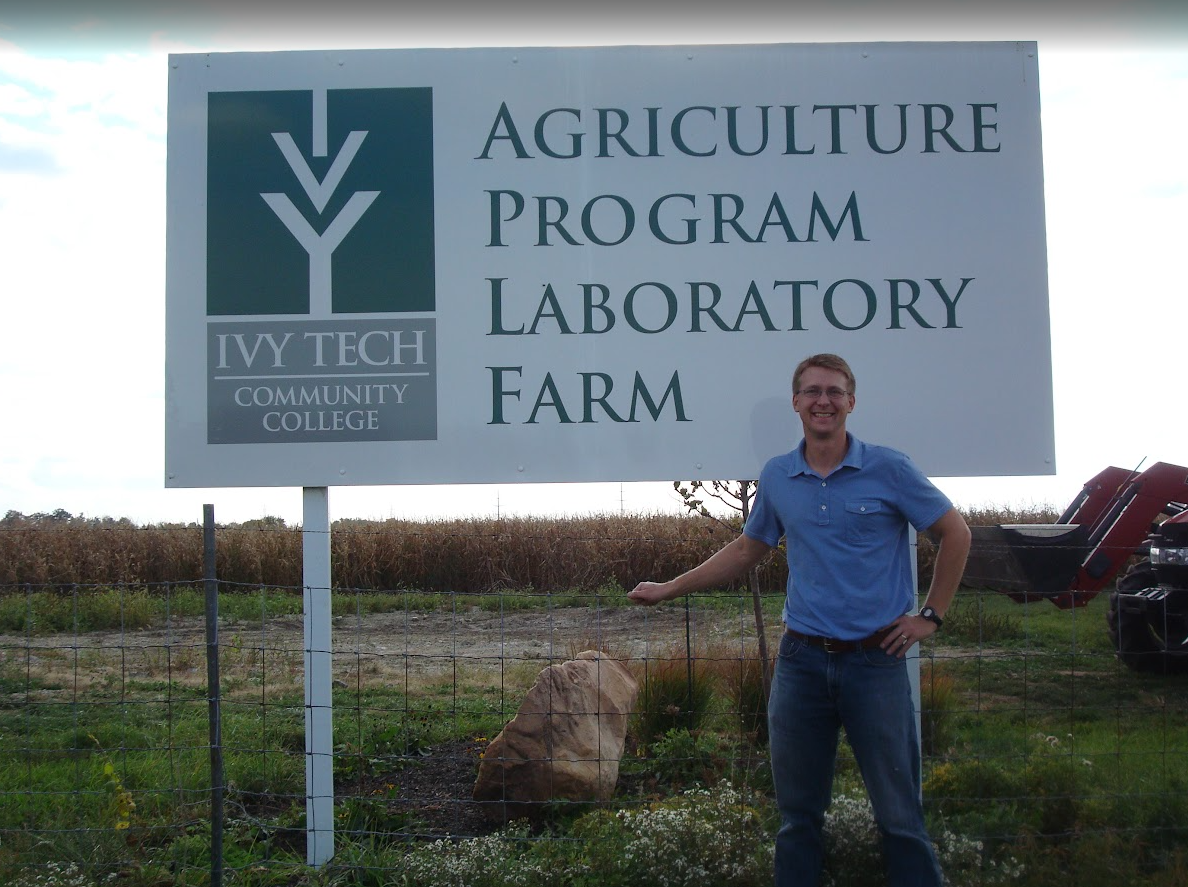
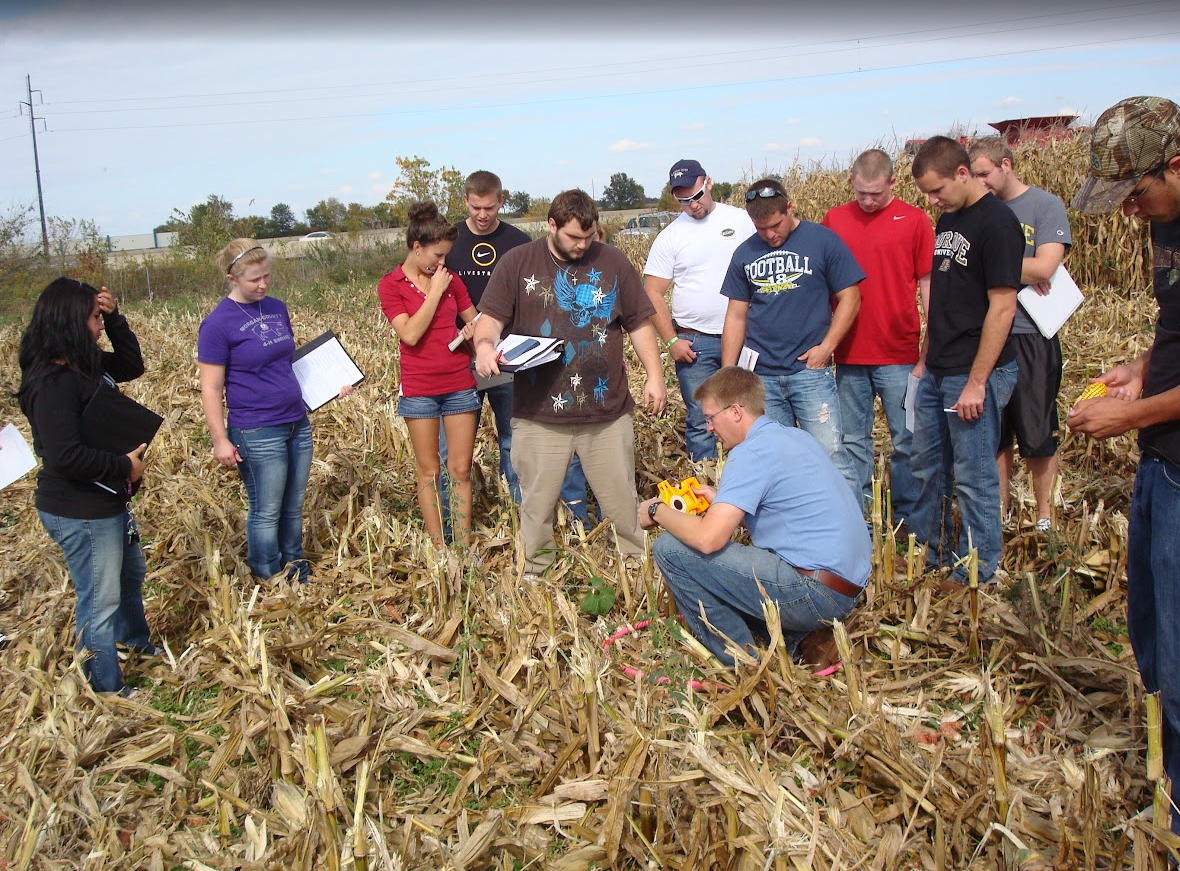
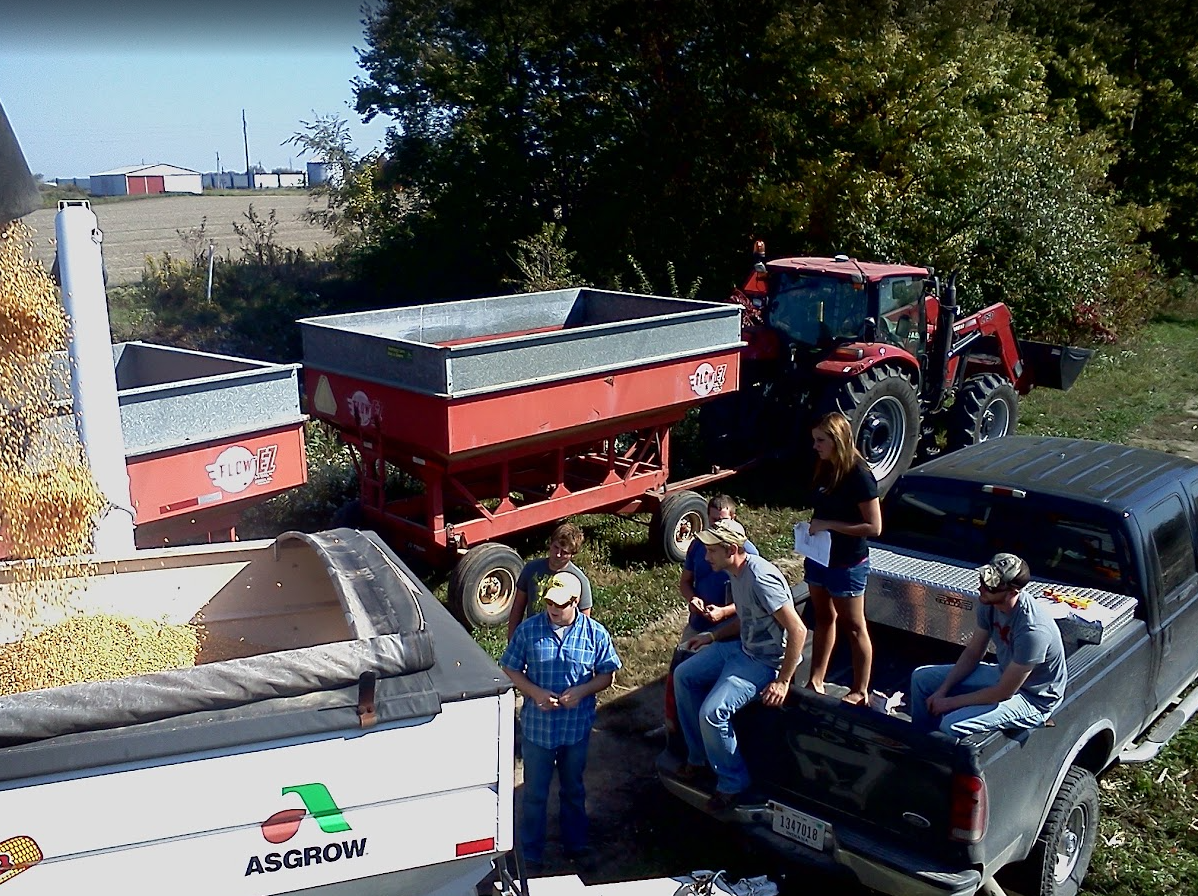
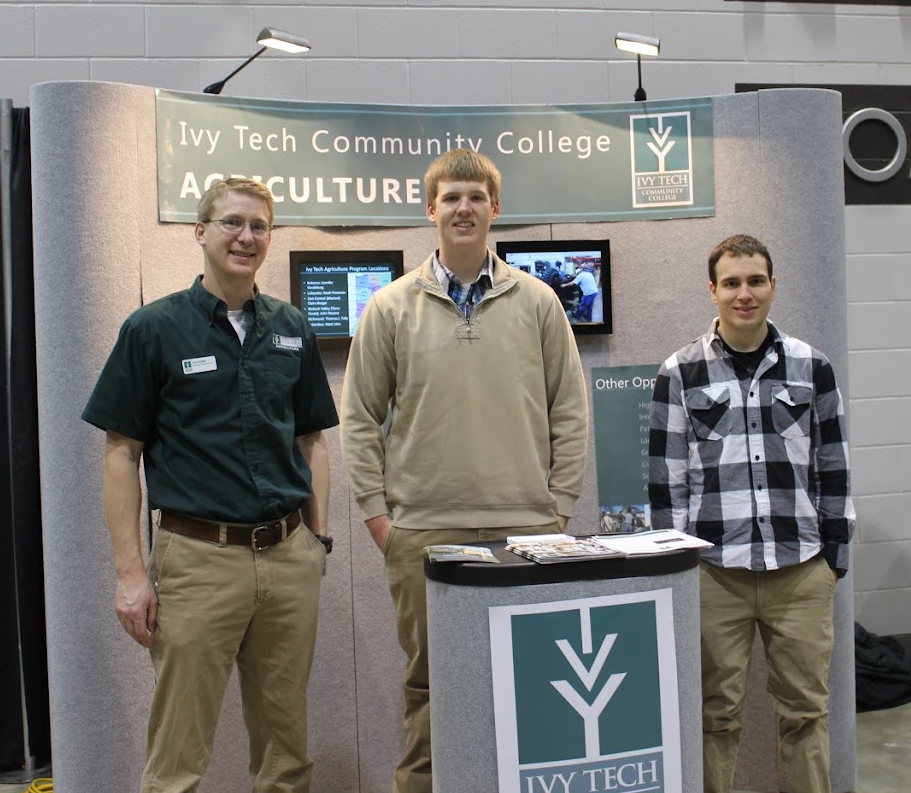
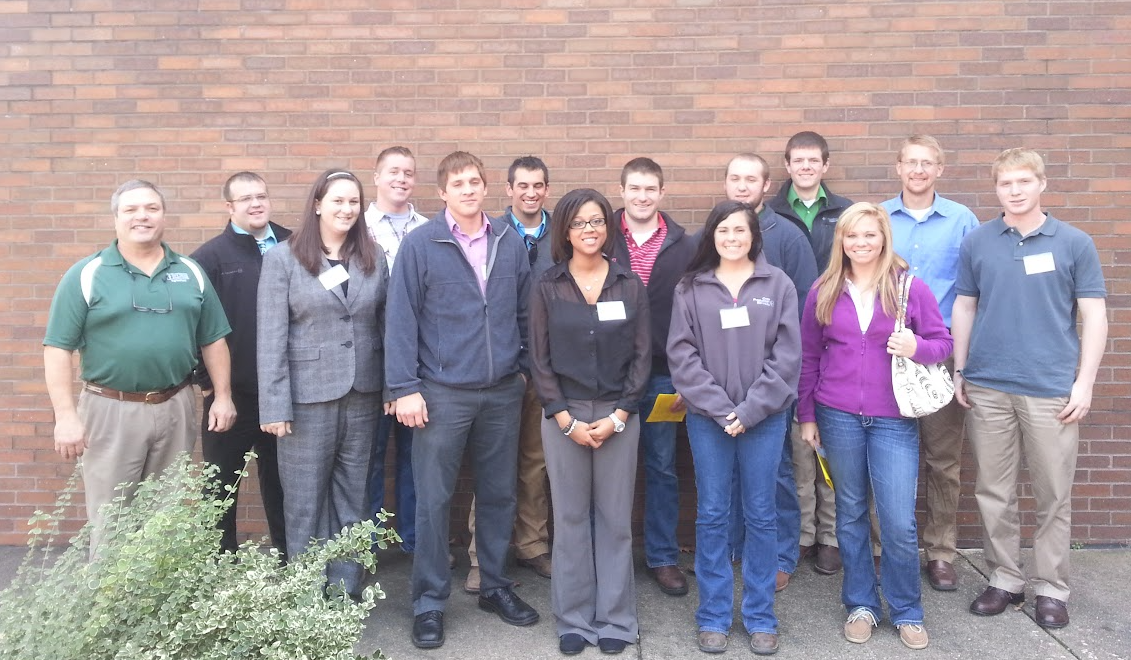
Teaching community college agriculture gave me years of practice helping people connect science with something they could do. College farms, soil evaluation, GPS, mapping, and early UAV projects created opportunities to learn by testing ideas. Explaining a concept also tested my own understanding. I still draw on that experience when deciding how software should present information and help someone take the next step.

Building software for growers

After teaching, I learned to program and moved further into agricultural software development and product management. I led a precision agriculture area for a large agricultural retailer and later led an agronomy team. Working on both the development and ag retail sides gave me a fuller view of what it takes for software to become useful to a grower.

That work included seed placement, management zones, variable rate recommendations, soil fertility, and tools for agronomists and advisers. It meant working through the data and agronomy while also paying attention to how people used the software. Teaching had helped me explain ideas; product development and retail experience helped me put those ideas to practical use and learn from the results.

Continuing to test technology

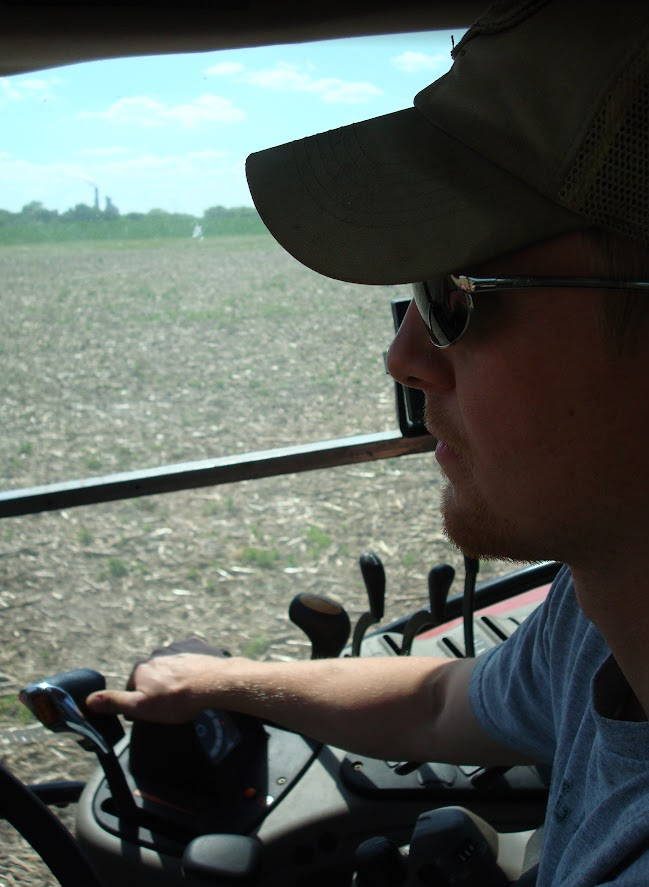
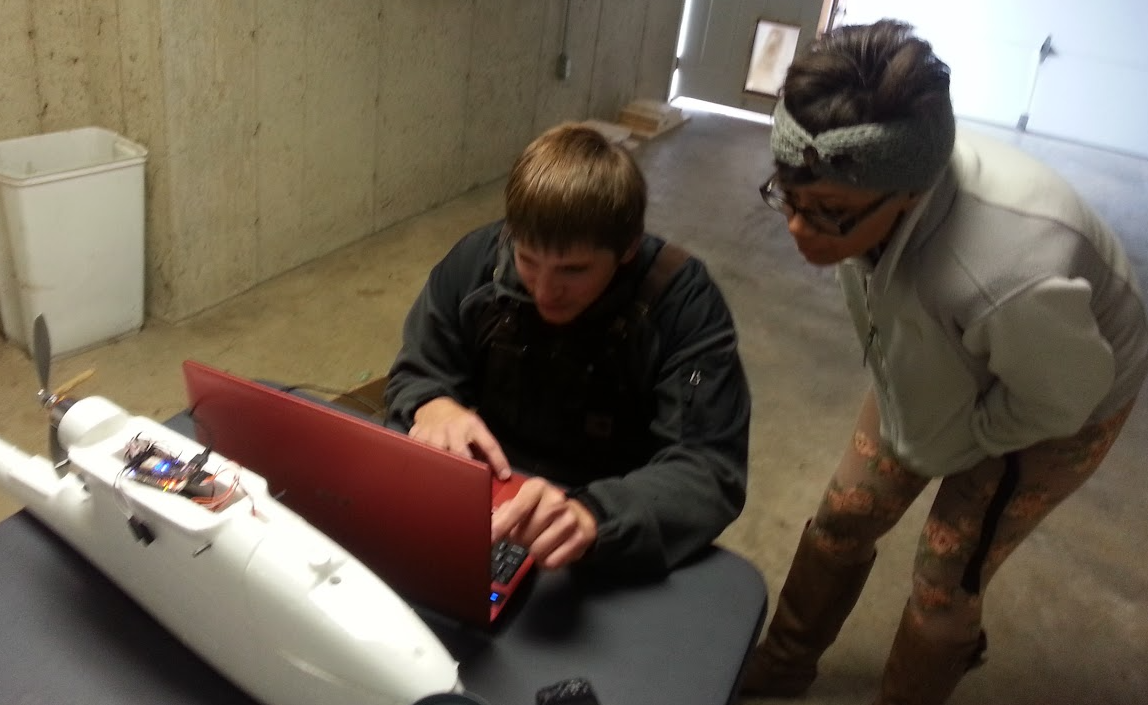
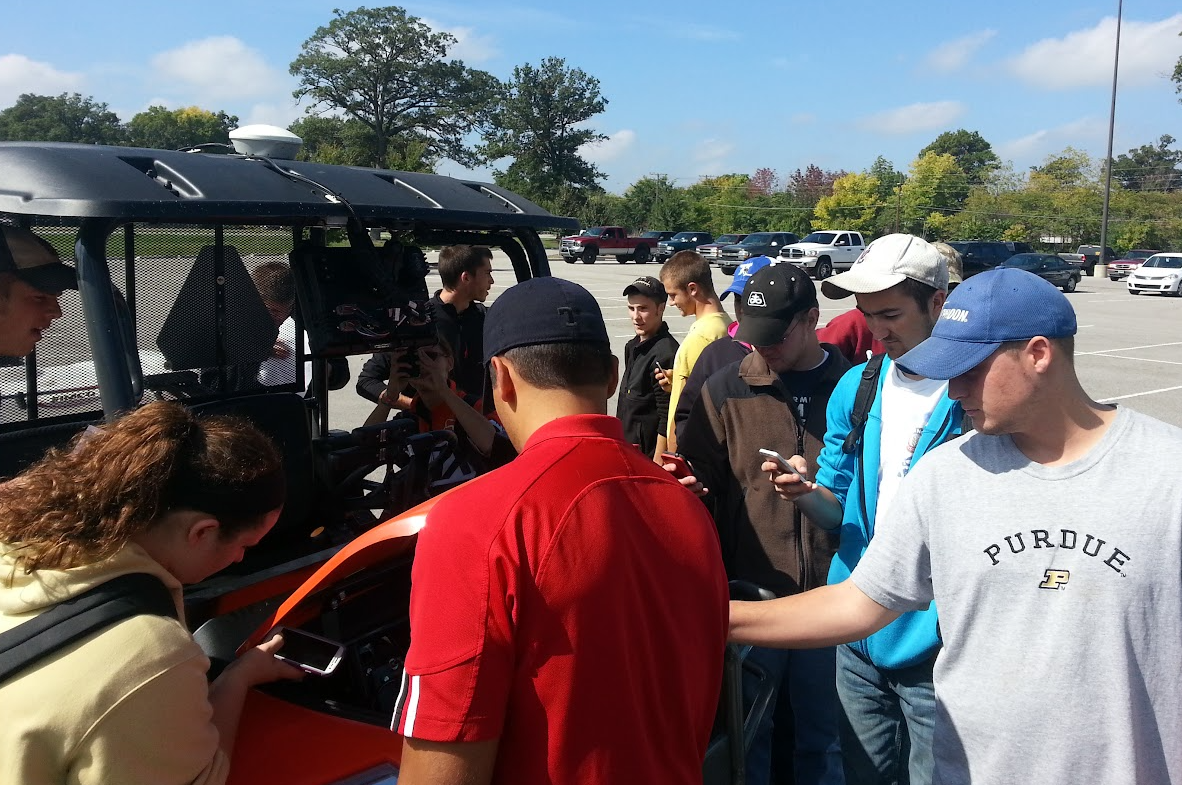
My hands-on work continued beyond the classroom. I have kept testing agricultural technology through UAV projects, spray drone work, and evaluations of autonomous vehicles and tractors. I am interested in how these technologies perform in actual operations, what they require from the people using them, and where they can be useful. That testing helps me judge how a new capability might fit into farm work.

The work behind AgrowKnow

Today, I work directly with field data, maps, models, and software. Bringing different data layers together can help explain why a crop responds as it does and make a decision easier for a grower. It also takes care to understand what each layer can tell us and where its limits are.

AgrowKnow brings this work together. My projects include field weather, seed planning, crop monitoring, farm budgeting, and QGIS tools for working with agricultural data. Each starts with a practical question. The aim is to make the information easier to use while keeping the crop, field, season, and person making the decision in view.

A personal connection to the land

Agriculture is also part of my life outside software. I keep bees and manage my apiaries, which gives me another reason to pay attention to weather, flowering, and the surrounding landscape. I have invested in conservation through 10 acres of CRP on my home farm and another 40 acres on the Freeman Legacy family farm.

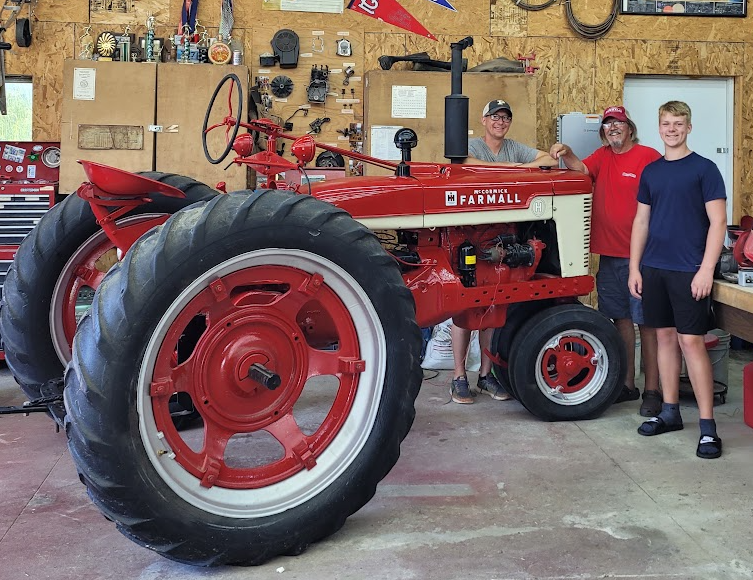
Restoring my grandfather's 1946 Farmall H was another personal connection to that history. He bought it new when he returned from the war. These ties to the land, machinery, and family remain part of the perspective I bring to my work.

From the field and classroom

← Back to AgrowKnow